
What you need to know about PU-coated nylon fabric
Coating, International Standards, Marine Safety, Production, coated textile sourcingOct 21, 2025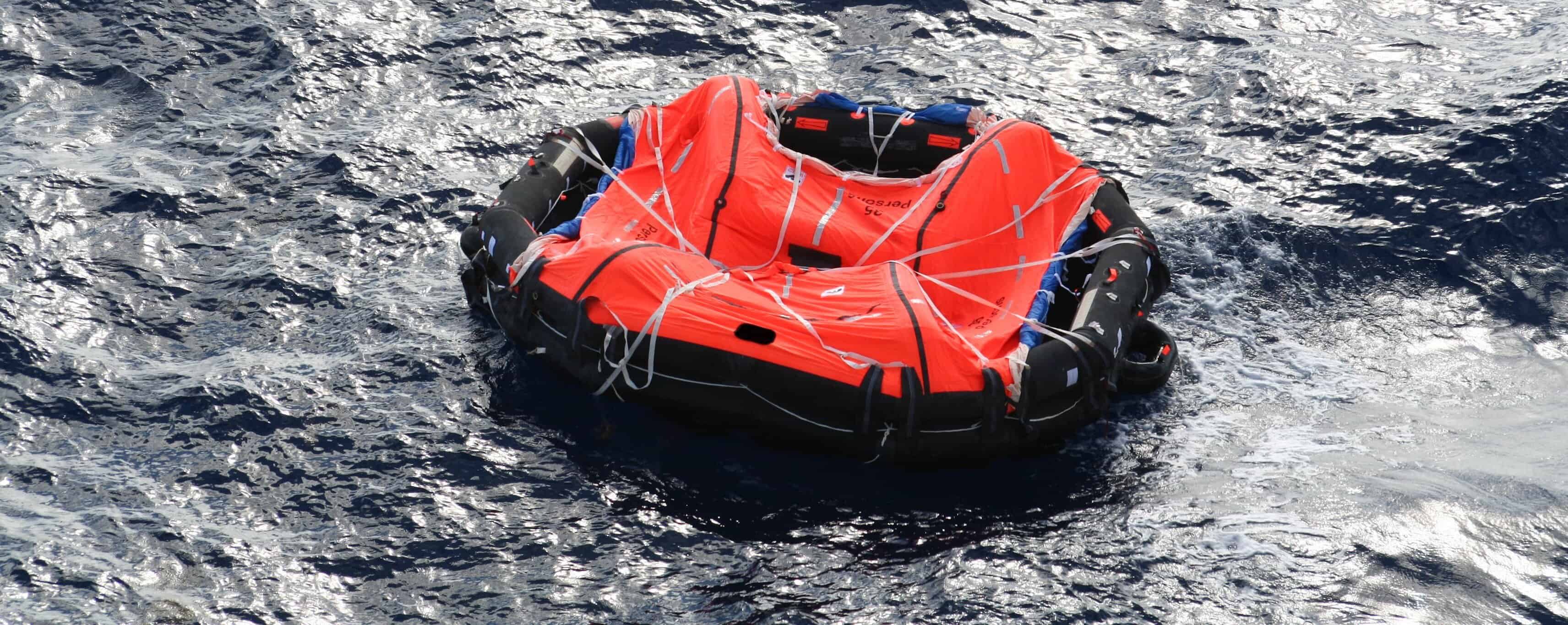
Share this Post

Most people don’t think about the fabric holding their life jacket together until they’re floating in the water. PU-coated nylon is that fabric—the workhorse material keeping rescue equipment, medical devices, and marine gear functional when everything else fails. At Erez Thermoplastics, we’ve spent decades perfecting these coatings because we know that “good enough” isn’t good enough when lives depend on your gear.
What is PU-coated nylon?
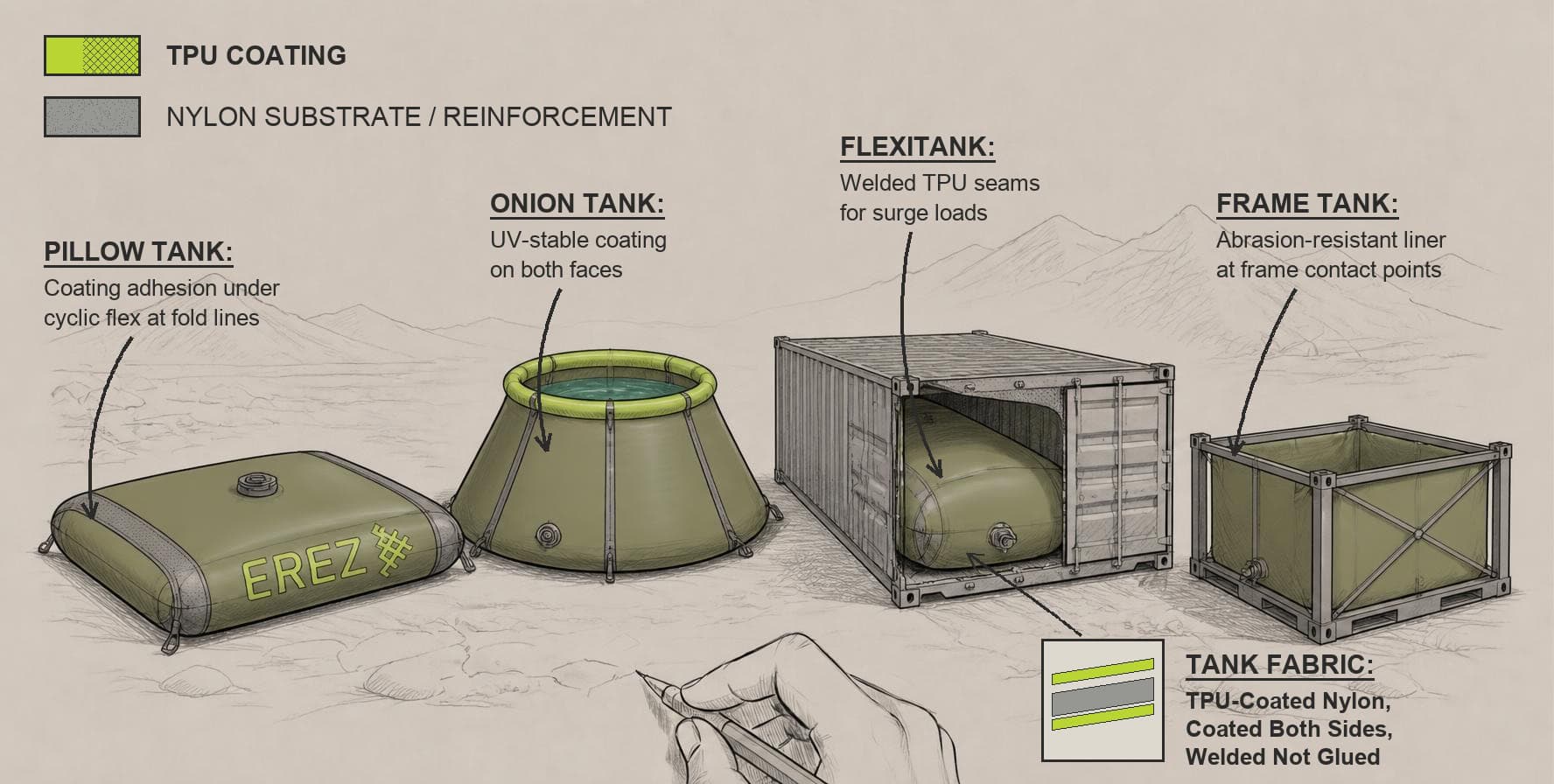
Take regular nylon fabric—already tough and lightweight—then add a polyurethane coating to one side. What you get is a material that blocks water, resists tears, and weighs practically nothing. The PU coating transforms ordinary textile into a waterproof barrier that can handle serious abuse.
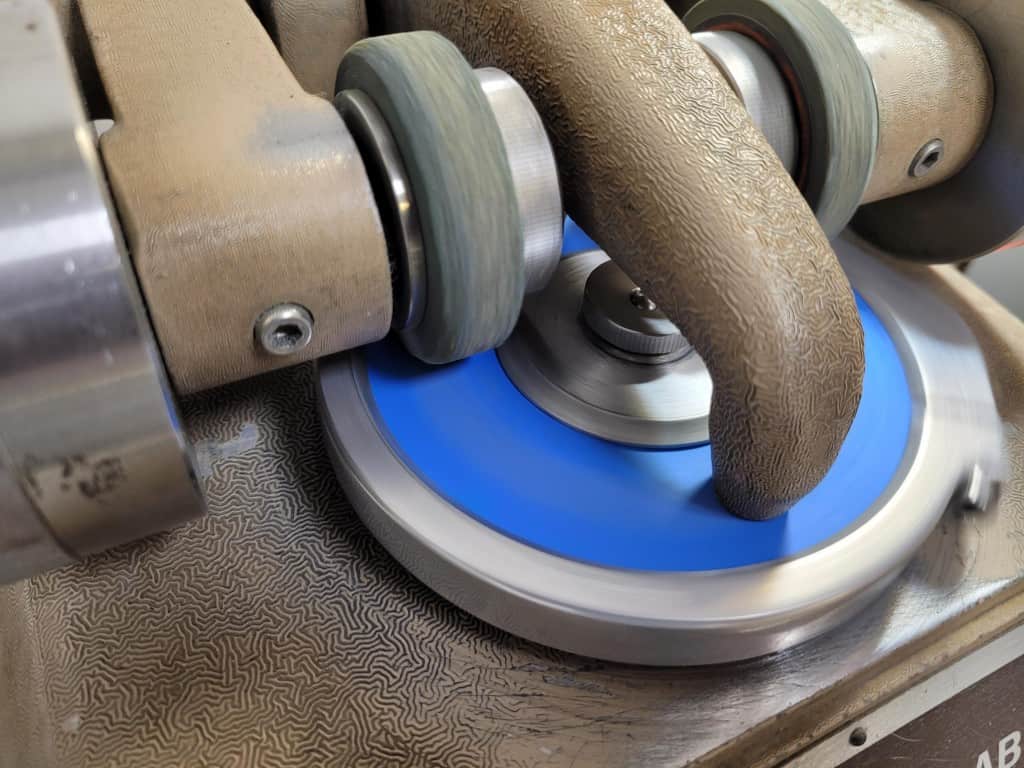
The magic happens in the coating process. Melted polyurethane gets applied to the fabric, then dried under controlled conditions. This isn’t just slapping some plastic on cloth—the coating thickness, flexibility, and adhesion all get dialed in based on what the final product needs to do. A life raft coating needs different properties than a medical mattress cover.
This precision matters because the coating determines three critical performance factors:
- Waterproofness: Measured in hydrostatic head pressure—basically how much water the fabric can hold back before it starts leaking
- Flexibility: The right PU formula keeps the fabric bendable even when it’s freezing cold
Durability: The coating shields the nylon fibers underneath from getting shredded by rocks, metal edges, or constant folding
Is PU nylon waterproof enough for serious applications?
PU coatings are actually hydrophilic—they attract water molecules. Sounds backwards for a waterproof coating, right? But water penetrates PU so slowly that it effectively blocks moisture for the timeframes that matter. Think hours or days, not months of submersion.
For most applications, this works perfectly. An inflatable rescue boat doesn’t need to sit underwater for weeks—it needs to deploy fast, hold air, and get people to safety. PU-coated nylon delivers on all three counts while keeping weight minimal.
Where PU-coated nylon outperforms heavier alternatives
The weight advantage becomes crucial in applications where every gram matters. When rescue teams are hauling equipment up cliffs or medics are moving patients, lighter gear means faster response times and less fatigue.
Marine and inflatable products
Life vests and safety equipment: Quick inflation matters more than maximum durability here. PU-coated nylon provides airtight seals without the bulk of heavier materials. Coast Guard-approved life vests rely on this balance—they need to inflate fast and keep people afloat, not survive decades underwater.
Inflatable boats and kayaks: For recreational and light commercial use, portability trumps bulletproof construction. A folded kayak that fits in a backpack opens up possibilities that a 50-pound rigid hull simply can’t match.
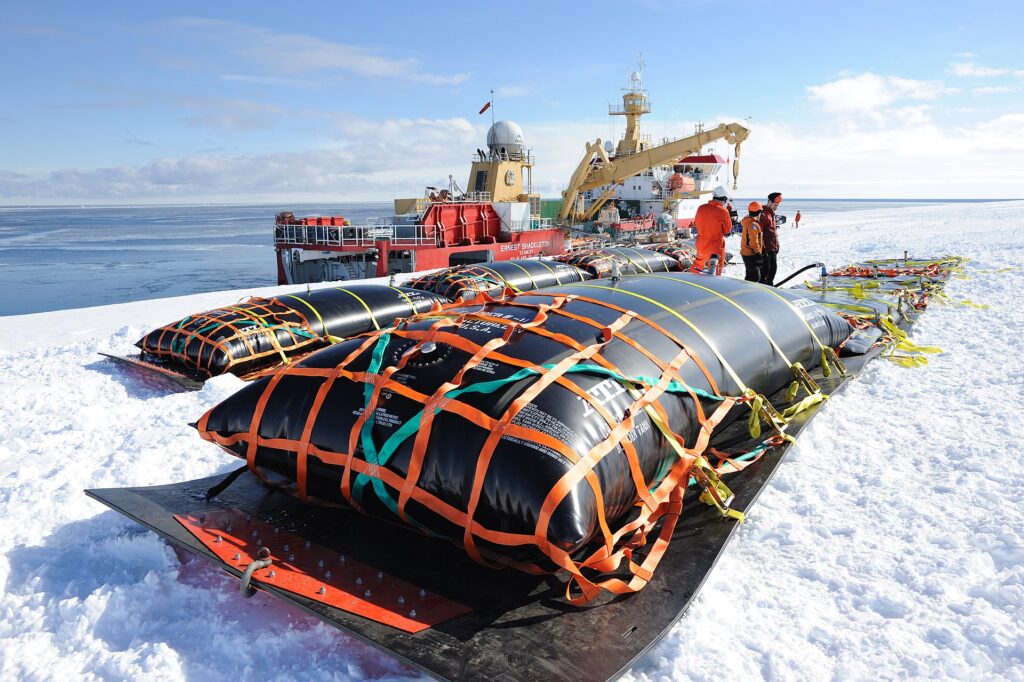
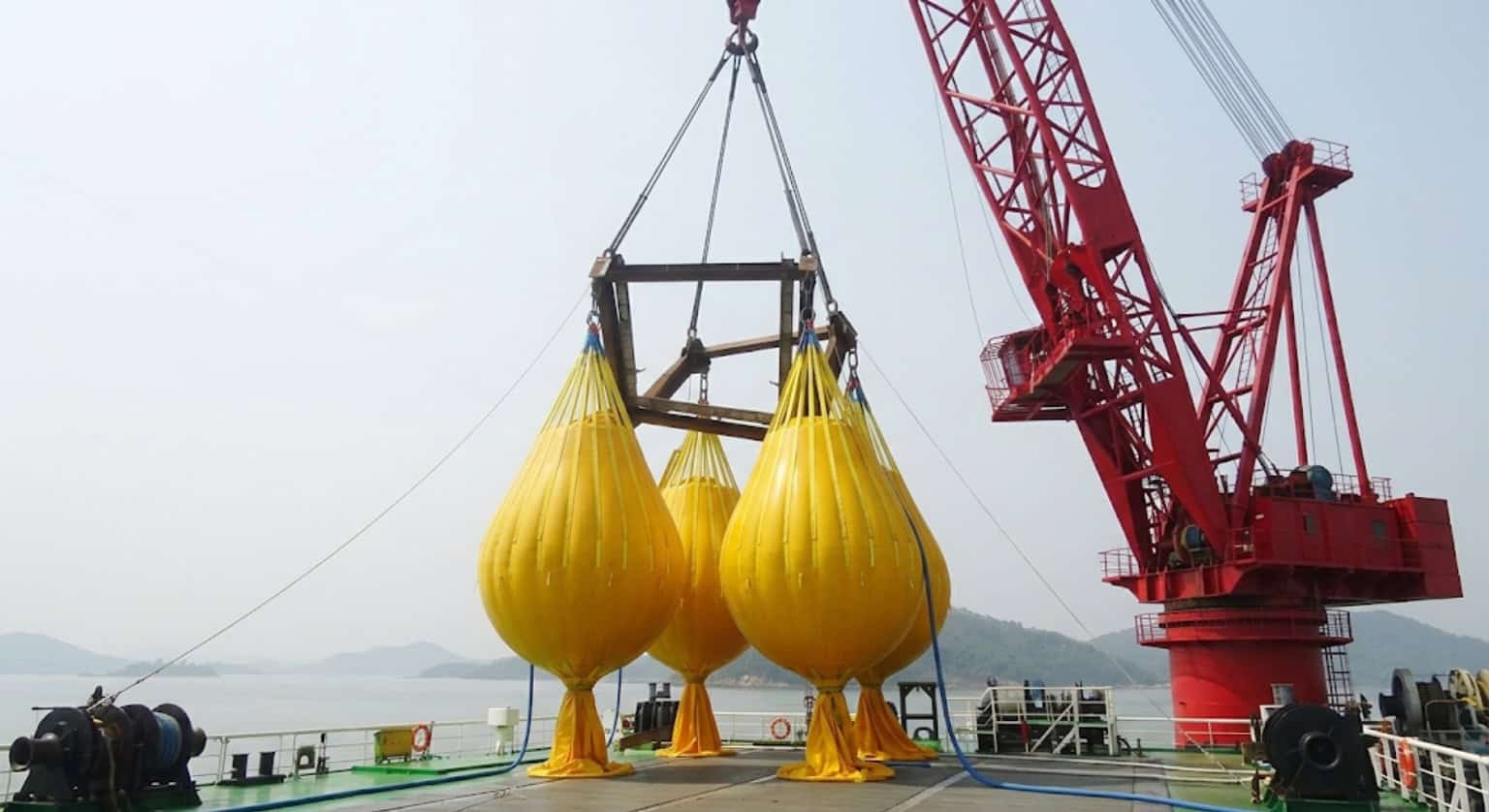
Flotation pontoons: These lifting and stabilization devices need rapid deployment by recovery teams. The lighter weight of PU-coated nylon means faster setup and less crew fatigue during long operations.
Rescue applications where speed saves lives
Air rescue gear: Helicopter weight limits are non-negotiable. Every pound of equipment means less fuel, shorter range, or fewer people rescued. PU-coated nylon stretchers and harnesses deliver the strength needed without eating into payload capacity.
Sea rescue platforms: When someone’s drowning, deployment speed matters more than whether your equipment will still work in twenty years. Inflatable rescue platforms made with PU-coated nylon can be thrown from boats or dropped from aircraft—try doing that with rigid equipment.
What is PU coated fabric used for in medical settings?
Medical applications demand cleanliness and reliability, but often in controlled environments where extreme durability isn’t the primary concern.
Hospital mattresses and patient covers: These need fluid resistance and easy cleaning more than decades of outdoor exposure. PU-coated nylon provides an effective microbial barrier that can be disinfected repeatedly without degrading.
Patient lifting equipment: Slings and transfer aids benefit from PU nylon’s light weight, making patient handling easier for caregivers while maintaining the strength needed for safety.
Medical equipment protection: Reusable covers for sensitive devices need to block fluids and contaminants while remaining easy to clean and store.
The hydrolysis reality check
PU coatings have an Achilles heel: prolonged exposure to heat and moisture breaks down the polyurethane through hydrolysis. This isn’t a design flaw—it’s chemistry. The question isn’t whether it will happen, but how long you can delay it.
At Erez, we’ve developed formulations that significantly extend hydrolytic stability. Our coatings don’t eliminate the problem, but they push the timeline out far enough that most products reach end-of-life for other reasons first. For applications requiring maximum longevity, we also offer specialized aliphatic TPU solutions with superior UV and chemical resistance.
Getting the specification right
The difference between adequate and optimal performance often comes down to specifying the right coating thickness, base fabric weight, and PU formulation. A rescue stretcher needs different properties than a medical mattress cover, even though both use PU-coated nylon.
This is where having an experienced materials partner matters. We work with manufacturers to understand their specific requirements—not just the obvious ones like waterproofness, but factors like fold radius, temperature range, and expected service life. Getting these details right upfront prevents expensive redesigns later.
Why material selection is a strategic decision
Choosing PU-coated nylon isn’t about finding the cheapest option—it’s about finding the right balance of properties for your application. When your product needs to be lightweight, waterproof, and reliable without requiring maximum durability, PU-coated nylon often provides the optimal solution.
For manufacturers developing products where weight, deployment speed, and cost-effectiveness matter more than extreme longevity, this material delivers proven performance across demanding applications. The key is matching the material properties to the actual use requirements, not over-engineering for scenarios that won’t happen.
Ready to discuss which technical textile makes sense for your specific application? Our materials team has the technical knowledge to help you make the right choice.

Share With Colleagues
Share this Post
Read More

Leave A Comment
How do you ensure the best technical textile for your product?