
שתף פוסט זה

Selecting the right material is one of the toughest jobs in the coated thermoplastics industry. The capabilities and longevity of your product depend directly on the physical and chemical properties of the material you choose. The processing and manufacturing method is also quite important, but the importance of the right material can’t be denied as everything else is contingent on it. This is where Ethylene Interpolymer Alloy gets into the story.
Flexible EIA geomembranes (Ethylene Interpolymer Alloy) are among technical textile products’ most viable material choices. The material has the right physical and chemical resistance properties that allow it to perform in all conditions for a variety of applications.
This article covers EIA and what qualities make it so great. Read on to learn more!
EIA Coated Fabric Explained
Ethylene Interpolymer Alloy or EIA is a copolymer of ethylene and vinyl acetate that is both flexible and elastic. The material behaves like thermoplastics and has numerous physical qualities like low-temperature toughness, UV resistance, chemical compatibility, and crack resistance. Read about the benefits of using EIA based on the application here.
The weight percentage of vinyl acetate and ethylene determines the overall physical properties of the resulting EIA material, with vinyl acetate varying from 10% to 40%. The higher the percentage of VA, the more rubber-like the resulting copolymer will be, which directly impacts the product’s industrial application.
There are three types of EIA copolymers:
- Low Proportion VA: Generally non-toxic with an average of 4% VA by weight. It requires the same process as thermoplastic material and has the same process as low-density polyethylene.
- Medium Proportion VA: The VA percentage varies from 4% to 30%, which gives it the same properties as rubber and PVC. The material is quite tough and has ideal low-temperature properties, which makes it an excellent choice for a wide range of materials.
- High Proportion VA: This EIA copolymer has a 40% proportion of VA, which allows it to have the same properties as a rubber. The EIA copolymer is referred to as ethylene-vinyl acetate rubber and has numerous applications in the prosthetic market.
Ethylene Interpolymer Alloy Performance Strengths
EIA is a step up from polyethylene because of its increased strength, tear resistance, and other properties. Here are some of the main properties primarily responsible for EIA’s versatility and longevity.
1 – Temperature Resistance
Outdoor applications usually have a lot of requirements, especially because of exposure to environmental elements and UV radiation. Temperature generally significantly affects the overall physical properties of thermoplastic products. Consistent exposure to high temperatures can cause softening and deterioration of the product’s shape. Similarly, low temperature can cause the product to harden and lose its elasticity, affecting the impact strength.
Fortunately, EIA comes free from such issues because of its temperature-resistant properties. The material remains unaffected by the changes in temperature, especially in cases of lower temperature. EIA doesn’t lose its physical properties even after exposure to the cold and continues to perform with consistency. This makes it a perfect material for outdoor applications.
2 – Chemical Stability
Many applications also demand relative chemical inertness from the raw material. Marine and environmental control equipment are some of the most popular applications of coated textiles. Moreover, many Flexitanks, tank liners and oil booms that store agricultural chemicals, fuel, or even drinking water use technical textiles as their base material, with their excellent resistance.
All these cases require chemical stability under varying conditions and resistance to chemicals. For instance, Flexitank storage used for fuel or agricultural chemicals demands the product to remain unaffected by the chemicals inside in all conditions. Even for drinking water, it’s essential to ensure that the storage tank itself doesn’t release any toxins or other harmful elements into the water.
3 – Abrasion Resistance
Another common requirement from all coated fabrics that make up the building block of marine safety and boating equipment is puncture resistance. The marine environment contains debris and elements that cause punctures and abrasions. The surface coat must be free from abrasions for longevity and proper performance.
EIA naturally resists all kinds of punctures and damages, ideal for applications that demand abrasion resistance. The material is tough and flexible enough to resist all kinds of damage, making it an excellent choice for various applications.
4 – UV Resistance
Apart from temperature resistance, UV compatibility is another demand for outdoor applications. UV radiations from the sun can deteriorate technical textiles and make them react with environmental elements. EIA can naturally resist any changes, even under constant exposure to UV radiation. This natural resistance makes many outdoor applications possible, which is precisely what’s required for longevity and performance.
EIA vs. PVC vs. TPU: How Do They Compare?
Choosing between EIA, PVC, and TPU coated fabrics comes down to matching material properties to your product’s real-world demands. Here’s how the three stack up across the factors that matter most to manufacturers:
| Property | EIA | PVC | TPU |
|---|---|---|---|
| Flexibility in cold temperatures | Strong — maintains flexibility in low temperatures | Can stiffen and crack in cold conditions | Good, though can vary by formulation |
| Chemical resistance | Strong resistance to oils, fuels, and many industrial chemicals | Moderate; degrades with prolonged chemical exposure | Strong resistance to oils and greases |
| Seam construction | Heat-weldable | Heat-weldable | Heat-weldable, typically forming very strong bonds |
| משקל | Lightweight relative to strength | Moderate | Lightweight |
| UV and weathering resistance | Good long-term outdoor stability | Prone to UV degradation over time without added stabilizers | Strong UV resistance, especially with topcoat treatments |
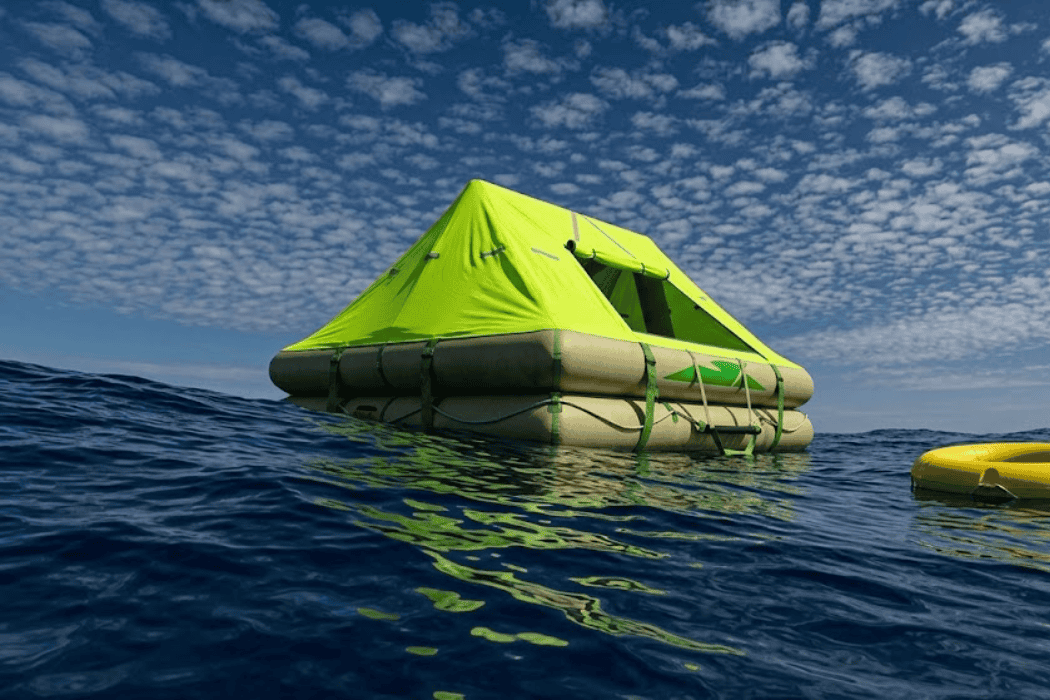
| Typical applications | Geomembranes, industrial containment, inflatable structures | General-purpose tarps, covers, lower-duty applications | Life-saving equipment, marine gear, high-performance inflatables |
| Cost | Mid-range | Lower cost | Mid-to-higher cost |
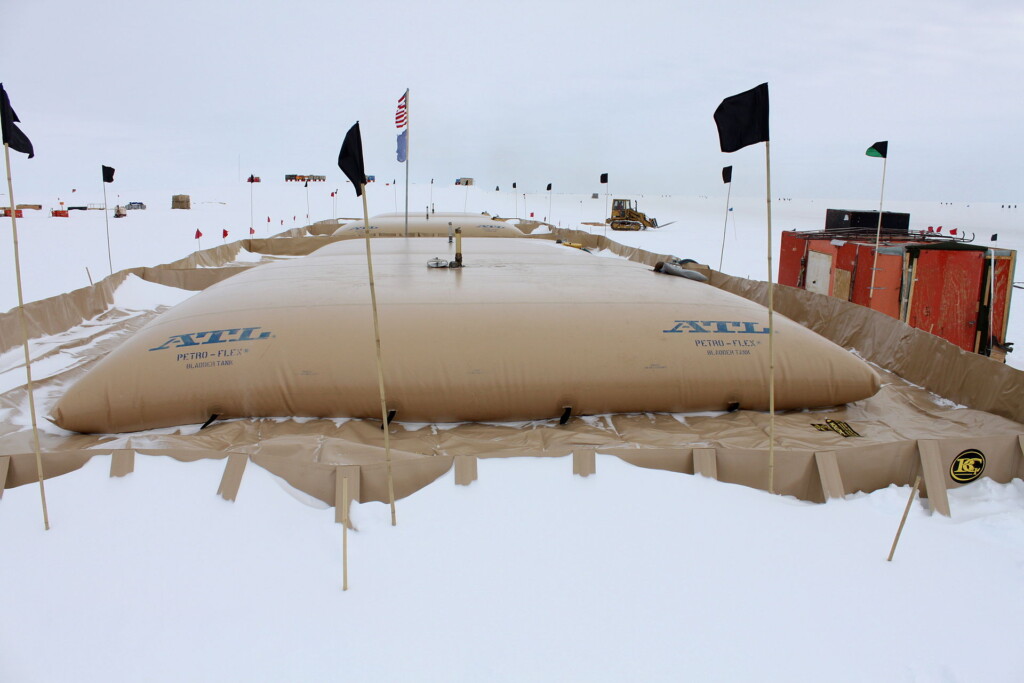
The takeaway: PVC remains a solid choice for cost-sensitive, lower-demand applications. TPU tends to lead in applications where abrasion resistance, seam strength, and long-term flexibility are critical — such as marine safety equipment and high-performance inflatables. EIA carves out a strong middle position, particularly for containment and industrial applications where chemical resistance and cold-weather flexibility are top priorities.
The right material ultimately depends on your product’s operating environment, expected service life, and regulatory requirements — which is where working with a fabric partner who manufactures across multiple polymer systems becomes valuable.
ERcoat: Erez’s Answer to the Rising EIA Demand
As demand for durable, chemically resistant coated fabrics grows across industrial, containment, and marine applications, Erez’s ERcoat line offers manufacturers a proven EIA-based solution engineered for long-term performance. Whether you’re evaluating EIA against PVC or TPU for a new product, our technical team can help you match the right material system to your specific application requirements.
Talk to our technical team about your coated fabric project
שתף עם עמיתים
שתף פוסט זה
קרא עוד
השאירו תגובה
איך להבטיח את הטקסטיל הטכני הטוב ביותר עבור המוצר שלך?
בקש סקירה של מומחה עבור מפרט המוצר שלך
הזמן סקירת מומחה למוצר שלך