
Marine Textiles: A Manufacturer’s Guide to Coated Fabrics for Boats and Marine Safety
Boats, Marine SafetyJun 4, 2018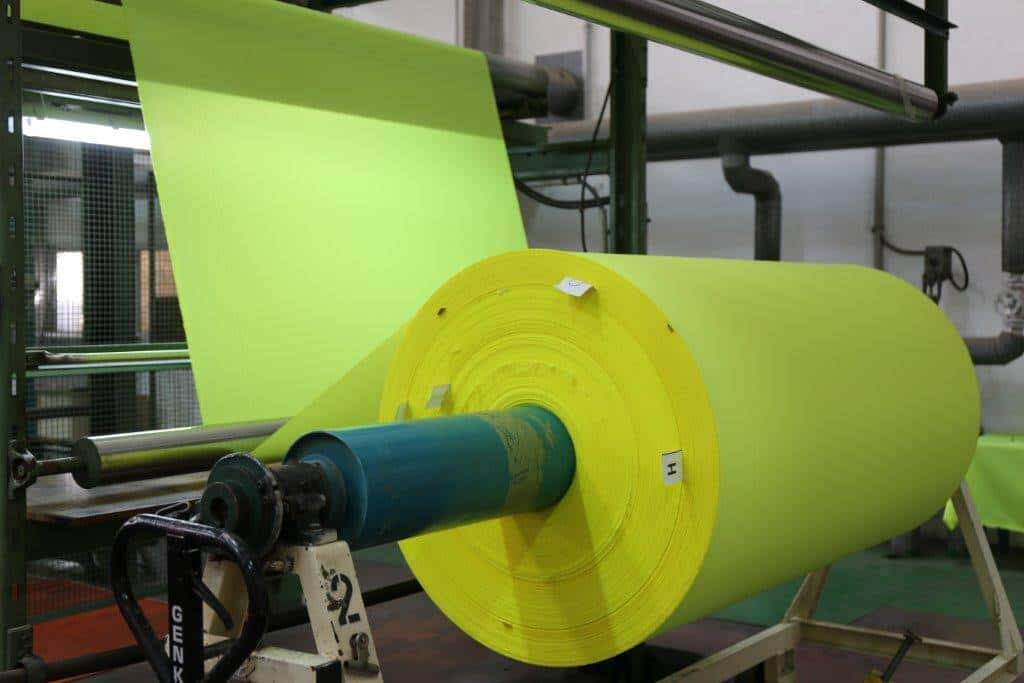
Condividi questo post

Marine textiles are technical fabrics built to work in and around water. In most cases they are a nylon or polyester base cloth coated with TPU, PVC or a PVC alloy. The coating holds air or water, resists salt water, UV and fuel, and can be welded or glued into sealed products such as life jackets, life rafts, inflatable boats and dry bags.
For a manufacturer, the fabric is not a detail. A life jacket bladder that slowly loses air, or a boat tube whose seams weaken after two seasons in the sun, almost always goes back to a material choice made at the design stage. This guide covers the main types of marine textiles, the properties that matter, the standards they must meet, and how to match the fabric to the product.
What are marine textiles used for?
Marine textiles fall into two main groups:
- Marine safety equipment (life-saving appliances): inflatable life jackets and PFD bladders, life rafts, survival suits, drysuits, rescue tubes and buoyancy aids. These products are regulated, and the fabric itself must pass defined tests.
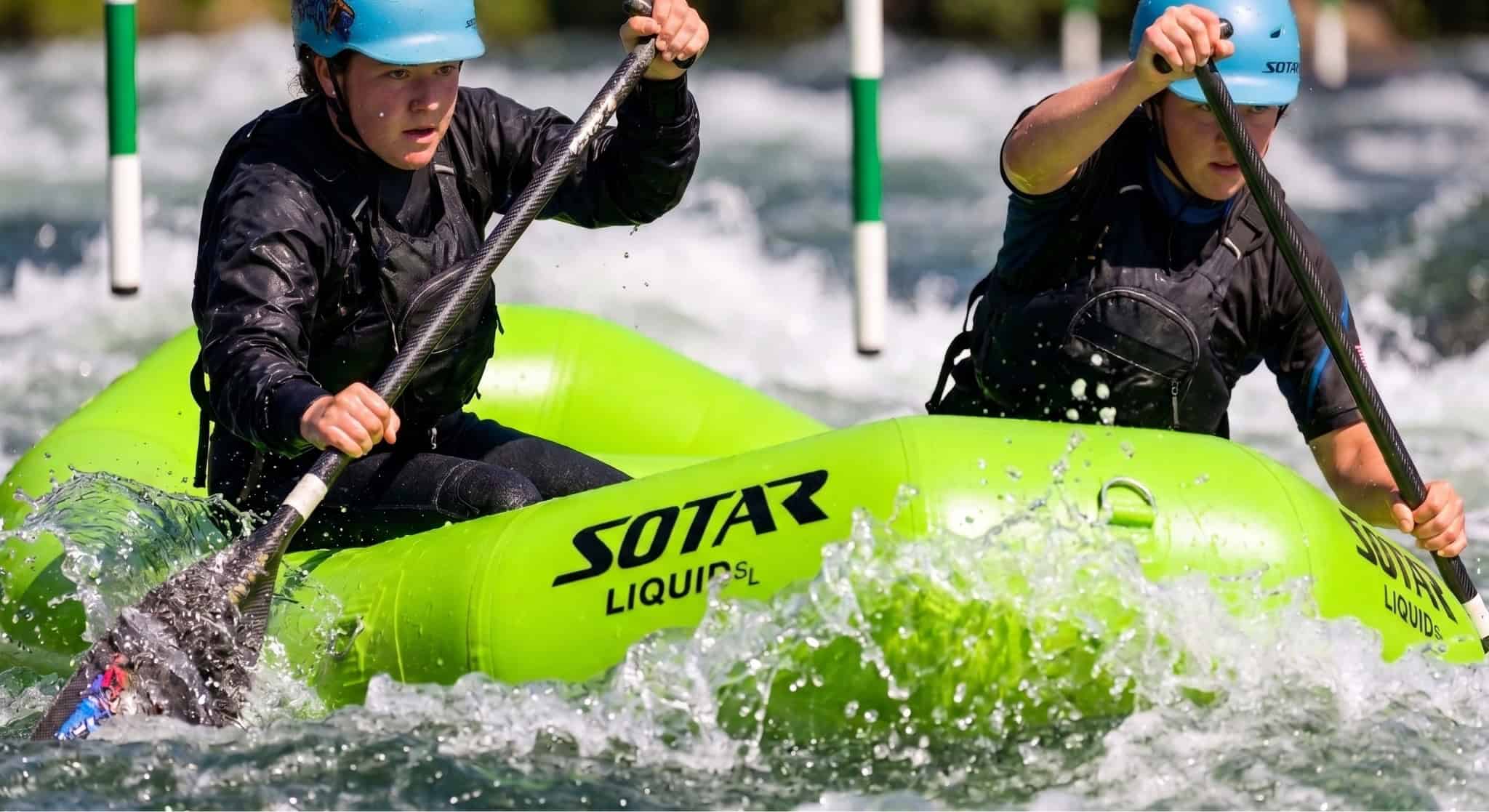
- Boats and marine equipment: inflatable boats, RIB collars, packrafts, fenders, dry bags, covers and spray dodgers. Here the main demands are abrasion resistance, UV stability and long service life.
Both groups share the same basic challenge: the fabric must stay sealed and flexible while it is exposed to salt water, sun, temperature changes and mechanical wear, often for many years.
Which coatings are used in marine textiles?
The coating does most of the work. It decides how well the fabric holds air, how it ages, and how it can be joined.
| Rivestimento | Main strengths | Joining method | Typical marine uses |
|---|---|---|---|
| TPU (thermoplastic polyurethane) | Low weight for its strength, very good air retention, abrasion and cold-flex resistance, no plasticizers | Hot air, RF (high frequency), ultrasonic welding; glue | Life jacket bladders, life rafts, packrafts, RIB collars, lightweight inflatables |
| PVC | Cost-effective, easy to weld, wide color range | Hot air and RF welding; glue | Inflatable boats, fenders, dry bags, covers |
| PVC/EVA alloy (e.g. Erez ERcoat) | Better resistance to harsh external and chemical conditions than standard PVC, longer service life | Hot air and RF welding | Boats and marine equipment that need a longer life than standard PVC |
| Rubber (e.g. Hypalon/CSM, neoprene) | Long track record on heavy-duty boats | Glue only, cannot be welded | Traditional heavy-duty inflatable boats |
Rubber-coated fabrics can only be bonded with adhesive. Thermoplastic coatings (TPU, PVC and their alloys) can be welded, and that is one of the main reasons the industry is moving toward them (see “Welding vs gluing” below).
Nylon or polyester base fabric?
The base cloth gives the material its tear and tensile strength. The coating gives it its sealing and resistance properties.
- Nylon offers a high strength-to-weight ratio and good tear strength. It is the usual choice for lightweight inflatables such as life jacket bladders and packrafts.
- Polyester stretches less and keeps its dimensions better when wet. It is widely used for boat tubes, life rafts and heavier products.
The denier/dtex of the yarn and the weave decide the final weight and strength. For a given product, the right construction is a balance between the required strength and the target weight.
Which properties matter most in marine textiles?
Use this as a checklist when you specify a marine fabric:
- Air retention: critical for anything inflatable. Life jacket bladders may sit packed for years and still need to hold air the moment they inflate.
- Hydrolysis and salt-water resistance: the coating must not break down after long exposure to water, humidity and salt.
- UV stability: sunlight is the main external cause of coating degradation on boats and equipment stored outdoors.
- Abrasion and tear resistance: boats are dragged over sand and rocks; collars rub against docks and other hulls.
- Seam strength: a well-made welded seam should be as strong as the fabric itself, so the seam is not the weak point.
- Flexibility in cold and heat: the fabric must fold, pack and inflate at low temperatures without cracking, and keep its shape in the heat.
- Fuel and oil resistance: important for boats, fenders and equipment used near engines.
- Color and visibility: safety products often need high-visibility colors that stay bright after exposure.
Which standards apply to marine textiles?
Marine safety products are certified as finished products, and most of these standards also set requirements for the materials. The main ones are:
- ISO 12402: personal flotation devices (life jackets and buoyancy aids), including the requirements for their materials.
- SOLAS / LSA Code: the International Convention for the Safety of Life at Sea and its Life-Saving Appliances Code, which sets the minimum requirements for life-saving equipment on ships.
- IMO Resolution MSC.81(70): the testing recommendations for life-saving appliances.
- ISO 9650-3: materials for inflatable life rafts.
- UL 1191: components for personal flotation devices, used in US Coast Guard approval.
- ISO 6185: inflatable boats.
Before you select a fabric, confirm which standards your end product must meet and ask the supplier for test data against them. Erez marine fabrics are tested and approved for use under these standards. See our certifications page for details.
Welding vs gluing: why it matters for marine products
With rubber-coated fabrics, every seam is glued by hand. TPU- and PVC-coated fabrics can be joined by hot air, RF (high-frequency) or ultrasonic welding. For a manufacturer, welding offers:
- Consistent seams. Automated welding gives repeatable results, while a hand-glued seam depends on the operator.
- Faster production and less manual work per unit.
- No solvent-based adhesives on the production floor, which is better for worker safety.
- Strong, airtight seams that are critical for bladders, tubes and rafts.
To get this result, the fabric has to be designed for welding. The coating thickness and formulation must match your welding method and machine settings.
How to choose the right marine textile for your product
| Product | Typical choice | What to check first |
|---|---|---|
| Inflatable life jacket bladder | TPU-coated nylon | Air retention, ISO 12402 / UL 1191, RF weldability |
| Life raft | TPU- or PVC-coated nylon or polyester | ISO 9650-3, SOLAS/LSA requirements |
| RIB collar / inflatable boat | TPU (polyurethane), PVC or PVC/EVA-alloy coated polyester | UV and abrasion resistance, service life, ISO 6185 |
| Packraft | TPU-coated nylon | Weight per m², abrasion, weldability |
| Fenders, dry bags, covers | PVC or TPU-coated polyester | Abrasion, UV, color stability |
These are typical starting points. The final specification depends on your design, production method and target market. More on specific products: RIB collars made from polyurethane fabric and TPU vs PVC packraft fabric.
Longer service life, less waste
Even the best-performing fabric has an environmental cost. The most effective way to reduce it is to make products that last longer and are replaced less often. Erez develops coatings with this goal: PVC/EVA alloys that age better than standard PVC, and plasticizer-free TPU coatings in the REZcoat™ series. For end-of-life options, see Is it possible to recycle TPU-coated textiles?
Erez marine textiles
Erez has developed and manufactured coated technical textiles for more than 40 years. Its marine fabrics are used by government bodies and leading marine safety brands in Europe and the US. The range covers TPU-, PVC- and PVC/EVA-alloy-coated nylon and polyester, including bladder fabrics for life jackets and the GlowSpot® series for life vests. Erez also works with manufacturers from the concept stage: material selection, welding trials and improving existing product lines.
See the full range on our marine textiles for safety applications page.
FAQ
What are marine textiles?
Technical fabrics designed for use in marine environments. Most are nylon or polyester coated with TPU, PVC or a PVC alloy, which makes them airtight, waterproof and resistant to salt water and UV.
What is the best fabric for inflatable boats?
It depends on the boat. Rubber (Hypalon/CSM) has a long track record on heavy-duty boats. TPU-coated fabrics are lighter and weldable, and they resist abrasion well. PVC is cost-effective and easy to weld. PVC/EVA alloys extend PVC’s service life.
Is TPU better than PVC for marine use?
TPU is lighter for the same strength, holds air better, stays flexible in the cold and contains no plasticizers. That is why it is the usual choice for life jacket bladders and lightweight inflatables. PVC remains a good, cost-effective option for many boats and accessories.
Can marine textiles be welded?
Thermoplastic-coated fabrics (TPU, PVC and PVC alloys) can be welded with hot air, RF or ultrasonic methods. Rubber-coated fabrics must be glued.
What standards do marine safety fabrics need to meet?
Depending on the product: ISO 12402 (life jackets), SOLAS/LSA and IMO MSC.81(70) (life-saving appliances), ISO 9650-3 (life raft materials), UL 1191 (US PFD components) and ISO 6185 (inflatable boats).
Not sure which marine fabric fits your product? Request an expert review of your product specifications. Our team will recommend the right coating, base fabric and weight.
Related reading: 5 Essential Features of Marine Textiles and Coated Fabrics · TPU Coated Fabric: The Definitive Guide
Condividi con i colleghi
Condividi questo post
Per saperne di più
Lascia un commento
Come fate a garantire il miglior tessuto tecnico per il vostro prodotto?