
TPU Coated Fabric: The Definitive Guide (Durability, Safety & Uses)
Coating, Flexible Storage Tanks, International Standards, Marine Safety, Production, coated textile sourcingSep 30, 2025
Condividi questo post

TPU-coated fabric delivers strong, flexible, long-lasting performance across marine, medical, PPE, and flood protection.
From inflatable boats to medical beds, protective clothing to flood barriers—TPU coated fabric quietly powers industries that demand strength, flexibility, and long-lasting performance. At Erez, we specialize in creating high-quality TPU coated textiles, and we often get asked: Is TPU really waterproof? How long does it last? Is it safe? “TPU Coated Fabric: The Definitive Guide” is our latest guide on the core essentials of TPU coated fabric. guide will answer those questions (and more) so you fully understand why TPU coated fabrics are fast becoming the textile of choice across the globe.
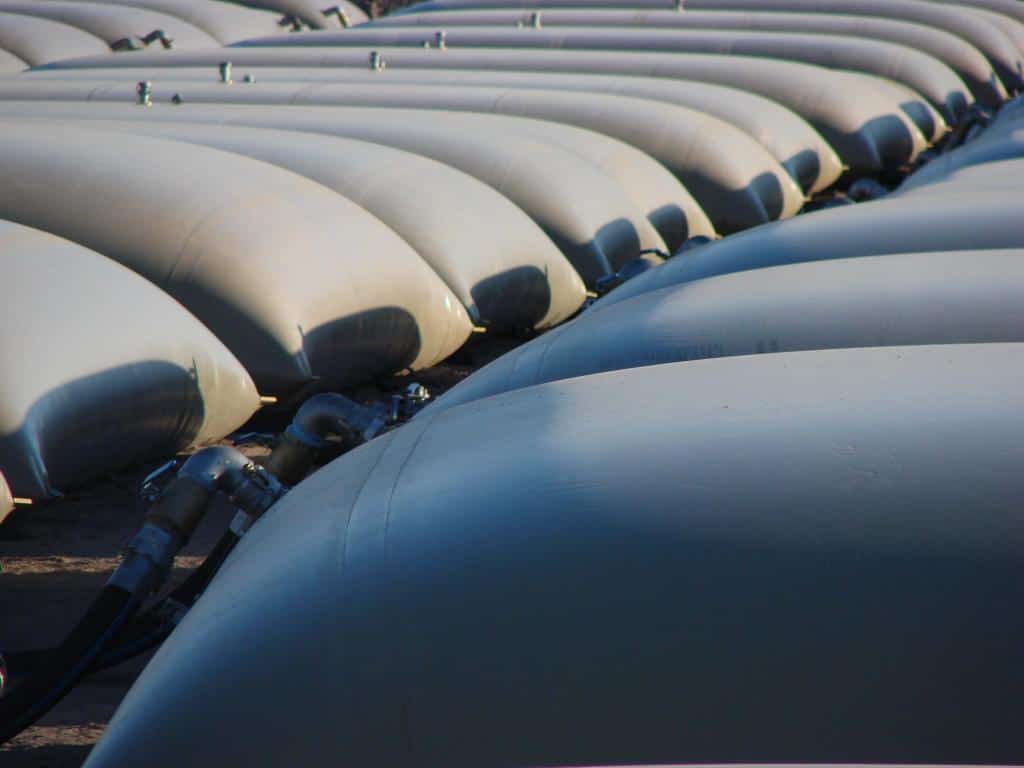
What is TPU Coated Fabric?
TPU-coated fabric is created by bonding thermoplastic polyurethane (TPU) to a base textile, usually polyester or nylon.
This combination transforms ordinary fabric into a high-performance material that is:
- Waterproof & airtight – offering complete protection.
- Durable – with excellent abrasion, puncture, and chemical resistance.
- UV stable – designed to withstand prolonged exposure to sunlight.
- Flexible & lightweight – maintaining integrity across extreme hot and cold conditions.
- Eco-friendlier than PVC – because TPU is recyclable, non-toxic, and can biodegrade depending on formulation.
In simple terms, TPU-coated fabric is durable armor over a strong core, combining toughness with flexibility.
Here you can read our article about The Most Common Uses of Waterproof TPU Coated Fabric – Is It Right for Your Product?
What is TPU Coating?
Simply put, TPU coating is the process of applying a thermoplastic polyurethane layer—via lamination, hot melt, or spread coating—onto a base textile.
This coating gives the fabric enhanced performance:
- Water and air resistance
- Increased tear and tensile strength
- UV, oil, and chemical resistance
- Flexibility across hot and cold extremes
It’s like outfitting fabric with an invisible protective shield.

How Long Can TPU Coating Last?
The durability of TPU coatings depends on the specific formula and environment:
- Polyester-based TPU – Excels in resistance to oils and fuels
- Polyether-based TPU – Performs best in high moisture and temperature conditions (hydrolysis resistance)
- Polycarbonate-based TPU – Combines the benefits of both, offering excellent resistance to oils, fuels, and hydrolysis
- We are the only manufacturers producing this material that performs well in both environments
- Polycarbonate-based TPU typically lasts 3–5 years even in very humid or harsh conditions
For outdoor, marine, or industrial applications, TPU-coated fabrics generally outlast traditional coatings like PVC.


Is TPU Coating Waterproof?
Yes—TPU coatings are fully waterproof. They create an impermeable barrier against liquids and gases, which makes them ideal for:
- Inflatable boats, kayaks, and whitewater rafts.
- Life rafts and jackets
- Medical air mattresses and splints
- Flexible fluid storage tanks (water, milk, oil, fuels)
- Flood barriers and spill containment systems
TPU retains waterproof integrity for years, unlike cheaper coatings that peel or degrade.
Is TPU Better Than Polyester?
It’s a tricky question with no real answer. The two are not exactly related at Erez. This question comes up a lot—but it’s not exactly one or the other.
- Polyester: The base textile, strong and durable on its own.
- TPU coating: The protective barrier applied to polyester (or nylon).
Together, they create TPU coated polyester fabric, which combines the affordability and strength of polyester with waterproof and resistant properties of TPU. That’s why you’ll often see high demand for “TPU coated polyester fabric wholesale” or “TPU coated polyester fabric by the yard.”
What is TPU Coated Fabric Used For?
The applications are almost endless. TPU-coated fabric is commonly used for:
- Marine products: inflatable kayaks, pontoons, paddleboards.
- Medical devices: inflatable mattresses, medical lifts, splints.
- Industrial storage: collapsible tanks, bags for water, oils, fuels, and food-grade liquids.
- Environmental safety: oil booms, flood barriers, spill-control berms.
- Protective apparel: dry suits, outdoor gear, rescue suits, hazmat gear.
- Everyday products: waterproof backpacks, luggage, and footwear.
If a textile needs to be strong, waterproof, flexible, safe, and lightweight—TPU is usually the solution.
What is TPU Material Used For (Beyond Fabrics)?
Outside of coated textiles, TPU is also used directly in other forms, including:
- Electronics & accessories: phone cases, wearables.
- Automotive: seals, hoses, protective components.
- Medical devices: tubing, catheters, wound dressings.
- Footwear: performance shoe midsoles (thanks to TPU foam).
It’s a highly adaptable material suited for industries where safety, performance, and sustainability matter.
How Safe is TPU Coating for the Skin?
TPU (Thermoplastic Polyurethane) coatings are generally considered safe for skin contact due to their biocompatibility, non-toxic nature, and compliance with strict medical and food-contact safety standards. However, specific formulations, additives, and processing methods can impact safety, so it’s important to use TPU designed for skin-contact applications that avoids harmful chemicals like BPA or certain phthalates.
Why is TPU Safe for Skin Contact?
- Biocompatibility: Soft TPU is designed to be compatible with living tissues, minimizing allergic reactions and irritation.
- Non-Toxic & Hypoallergenic: TPU generally contains no harmful chemicals like BPA or phthalates found in other plastics such as PVC.
- Medical & Food Grade: Many TPU formulations meet stringent safety standards, including FDA approval and USP Class VI certification, making them suitable for medical devices and food contact.
- Eco-Friendly: TPU requires no toxic additives like PVC’s plasticizers and releases no harmful toxins during disposal or recycling.
Factors That Can Affect Safety
- Formulation: Medical or skin-grade TPU is specifically formulated to meet rigorous safety and regulatory standards.
- Additives: Some TPU products may contain additives that could raise safety concerns.
- Emissions: During manufacturing, some individuals may experience sensitivities due to chemicals and potential emissions, especially at high processing temperatures.
How to Ensure Safety
- Check for Certifications: Look for medical-grade or food-grade TPU products certified for safety and non-toxicity.
- Consider Sensitive Applications: For products with direct skin contact (wearables, orthotics, bandages), use materials approved for these specific uses.
- Ventilation During Processing: Ensure adequate ventilation during manufacturing to minimize exposure to potential fumes or VOCs.
How Breathable is TPU Fabric?
TPU (thermoplastic polyurethane) fabric’s breathability varies based on thickness, formulation, and construction. While TPU is valued for its elasticity and durability, its breathability differs significantly:
- Thinner fabrics breathe better than thicker ones
- Mesh or porous constructions allow more airflow than solid weaves
- Special formulations with breathable membranes can enhance performance
Overall, TPU fabric is less breathable than natural materials like cotton or silk, but more breathable than PVC or vinyl.
So, Is TPU Fabric Breathable?
Yes there’s breathable TPU-coated fabric —when produced as a TPU membrane, it offers the best of both worlds:
- Waterproof on the outside
- Breathable for body vapor release
This balance is why TPU fabrics are popular in:
- Footwear requiring both waterproofing and comfort
- Outdoor athletic wear
- Rain jackets
- Rescue and survival suits
TPU Coated Fabric Guide – Erez guide is also here
ISO Standards for Skin-Contact TPU Applications (EU/Global)
ISO doesn’t issue “permits”; it sets standards you demonstrate compliance with via testing and quality systems. For TPU in skin-contact uses, the most commonly referenced standards are the ISO 10993 series for biocompatibility (especially 10993-1 for test selection, 10993-5 for cytotoxicity, and 10993-10/23 for sensitization/irritation), ISO 13485 for medical device quality management, ISO 14971 for risk management, and ISO 13688 for protective clothing innocuousness. For medical claims and CE marking in the EU, consult a notified body or regulatory expert to align testing and documentation with MDR.
TPU Coated Fabrics Are the Future of Tecniacl Textiles
TPU-coated fabrics are replacing older textile coatings like PVC because they deliver stronger performance, a safer touch, and greater sustainability. Long-lasting, lightweight, waterproof, and eco-friendly, TPU—coated fabrics serve industries where failure isn’t an option. Whether you’re searching for TPU coated polyester fabric wholesale, TPU coated nylon fabric for inflatable products, or simply exploring safer textile alternatives—TPU is setting the new standard. We created this TPU coated fabric guide to help you manufectrue the best aplication possible using the most advanced TPU options in the market.
Partner with Erez for Your TPU Fabric Needs
At Erez Therm, TPU coated fabrics aren’t just one of many products—they’re our specialty. For decades, we’ve been leading innovation in high-performance textiles, supplying materials for applications in marine, medical, protective apparel, environmental safety, and more.
If you’re ready to explore TPU coated fabrics for your project, we’d love to help. Here’s what you can expect from us:
- Free consultation to discuss your exact product requirements.
- Guidance from an experienced team that understands your industry.
- Custom fabric development tailored to your application.
- Proven results, drawn from years of supplying mission-critical fabrics worldwide.
Chances are, if you can imagine it—we’ve already created something similar. And if not, we’ll engineer it together with you.
Contact Erez today for a free consultation—and discover how we can help bring your product to life with TPU coated fabrics that perform when it matters most.

Condividi con i colleghi
Condividi questo post
Per saperne di più



Lascia un commento
Come fate a garantire il miglior tessuto tecnico per il vostro prodotto?