
Soluciones innovadoras para sistemas de control de la contaminación marina
Environmental ControlAug 5, 2025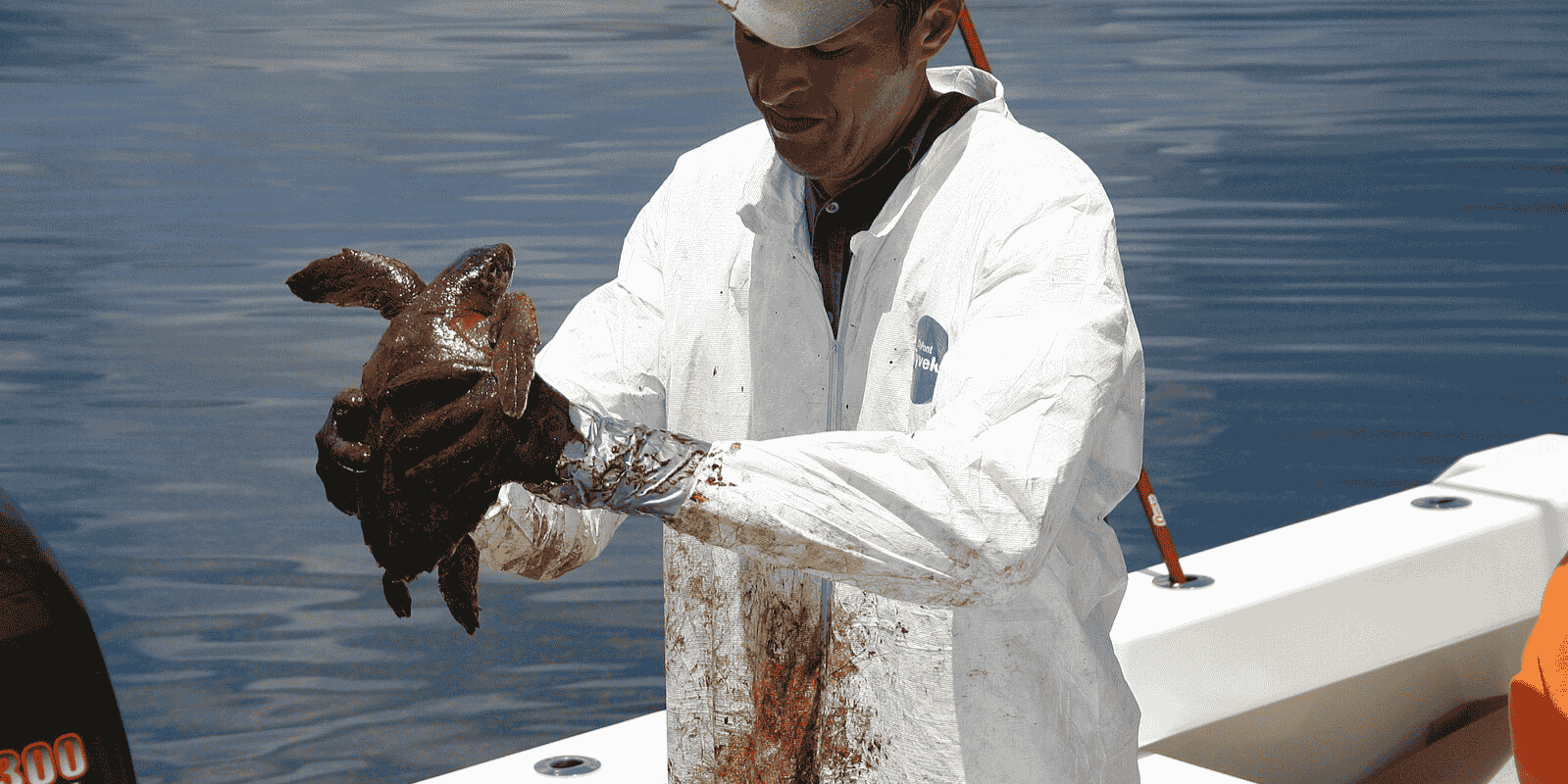
Compartir esta entrada

For many years, the oceans have been our dumping ground for all sorts of waste. From harmful chemical substances to plastics and oil products due to spills, there has been a lot of damage in the form of marine litter. Today, it is a major environmental problem that can only be solved through innovative and effective marine pollution control systems.

The Threat of Marine Litter
It is common knowledge that marine litter is extremely harmful to the planet. It completely disturbs the aquatic ecosystem and even affects many modern industries and coastal communities. The United Nations Environment Program recognizes marine litter as a multi-dimensional challenge that has numerous economic, environmental, health, and aesthetic repercussions globally.
Here’s how marine litter threatens our oceans worldwide
1 – Unnecessary death of marine life
Apart from fishing and other necessary activities, the loss of marine life is needed to be minimized. Litter and other chemical spills have been the biggest culprit in the unnecessary destruction of several aquatic ecosystems. This threatens the natural biodiversity of the ocean and can have a lasting impact on industries like fishing and agriculture. A majority of the world’s oxygen is produced by aquatic plants. In addition to curbing deforestation, protecting oceanic plants is also crucial for the planet.
2 – Health hazards
Another growing concern is the biomagnification of harmful substances up the food chain. The majority of marine litter is made up of plastics, which have several harmful components. These components get ingested by marine life and become a part of the human diet. Resulting in several chronic and acute conditions such as cancer.
3 – Economical losses
Cleaning out marine litter is not an easy job. In most cases, labor and resource-intensive mechanical means are the only way to remove litter from the water. Despite that, it’s not 100% effective and a significant percentage of marine litter ends up creating problems in the future.
In addition to fishing, agriculture, and other industries, marine litter also affects the logistics, transportation, and tourism sectors. Many ships and marine vessels deal with faulty propellers and other damages due to litter in the sea. The cumulative cost of all this can reach billions every year.
4 – Negative effect on coastal communities
Building on the previous points, marine litter can cause several problems for coastal communities that depend on tourism and other similar activities. Many storms and hurricanes bring a lot of debris and litter in the middle of the oceans to the shore and affect the beaches and nearby areas. Cleaning up all that becomes necessary and requires a lot of money which could either be spent on some other projects.
A proactive approach: The only way forward
Apart from raising awareness and reducing the overall reliance on plastics, the most effective way to reduce this issue is by tackling it at its source. Today over 90% of all the trash in the oceans originates from the rivers. By trapping the trash in the areas where the water body expands or where the river meets the ocean (Estuaries), you can reduce several challenging aspects of marine pollution control with a lower effort and investment.
Most plastics are fortunately less dense than water and remain afloat for a longer time before depositing at the bottom. Among the many marine pollution control solutions, booms are a viable and cost-effective choice that can work in numerous environments.
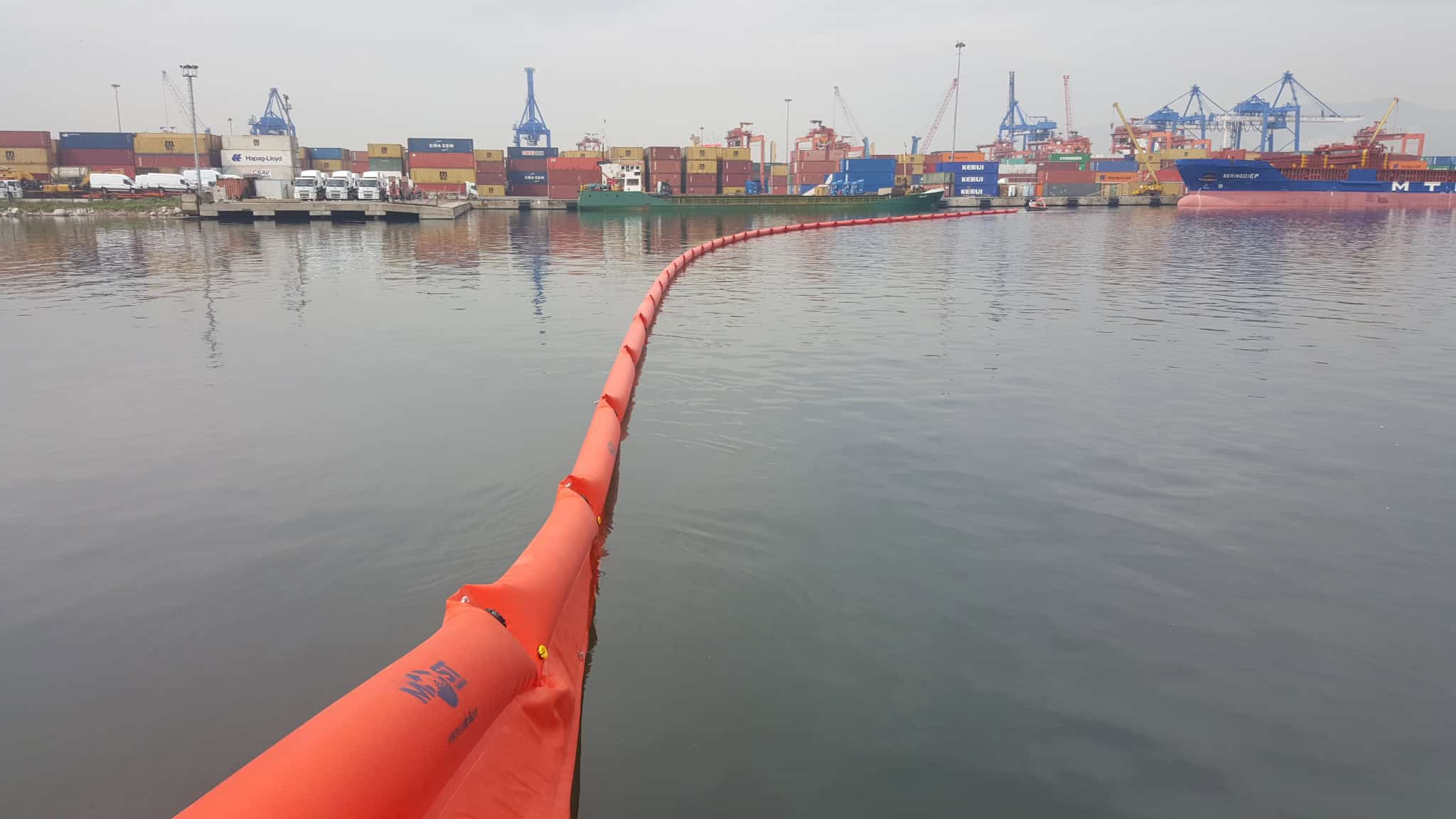
The most famous application of booms is for containing oil spills and limiting environmental damage. This design allows them to be used for containing solid waste and multiple other instances. Deploying a boom at strategic Estuaries with most trash production allows you to concentrate the litter in a single location. This makes removal simpler and allows you to limit the damage at a single location.
Another feature that makes boom an excellent marine pollution control system is its ability to be combined with nets. This feature allows it to trap larger debris and make cleanup even easier.
The world is shifting its focus towards the marine litter issue in the form of Europe’s Horizon mission or the US Marine Debris program. Repurposing common and cost-effective equipment like the oil boom and integrating it into existing marine pollution control systems can reduce the associated costs and make cleanup easier. The solution has been tested in the field and can effectively work.
How do oil spill and debris booms work to stop plastic waste in rivers and estuaries?
Booms are floating barriers that corral surface oil and debris into collection zones and stop them from drifting downstream. Skirts or nets hang below to catch waste while letting water pass. Crews skim or lift the trapped material for disposal or recycling.
Where is the most effective place to deploy booms to reduce marine litter—rivers, estuaries, or coastlines?
Rivers and river mouths are most effective because you intercept trash before it reaches open water.Estuary chokepoints and outfalls also deliver high capture with manageable maintenance.Coastline booms work near harbors and marinas but need heavier designs due to waves and currents.
What are the best materials for marine pollution control booms and nets?
PVC- or TPU-coated textiles with UV stabilizers and high tensile strength are ideal for boom skins. HDPE or UHMWPE nets and stainless or galvanized hardware resist abrasion, chemicals, and saltwater. Choose weldable, low-wicking fabrics compatible with the pollutants you target.
How can Erez help you develop effective marine pollution control systems?
Because of their versatility, chemical and abrasion resistance, and deployability, coated technical textiles are the go-to material for booms and other marine equipment. Marine pollution control applications require special characteristics like UV resistance, resistance to industrial chemicals, abrasion resistance, cold resistance.
Erez is the industry leader in the technical textile field and has a history of providing innovative and material combinations that are a perfect match for the required application. With over 40 years of experience in the industry, Erez can provide you with the best material choice and help you make a top-quality product that passes the test of time.
Interested in learning about how Erez can help you with marine pollution control systems? Contact an Erez expert today.
Compartir con colegas
Compartir esta entrada
Seguir leyendo


Deja un comentario
¿Cómo garantiza el mejor textil técnico para su producto?