
The Science of Superior Containment: High-Performance TPU Fuel Bladders for UAVs, USVs, and Racing
Coating, Flexible Storage Tanks, International Standards, Production, UAV, Welding, coated textile sourcingJun 10, 2026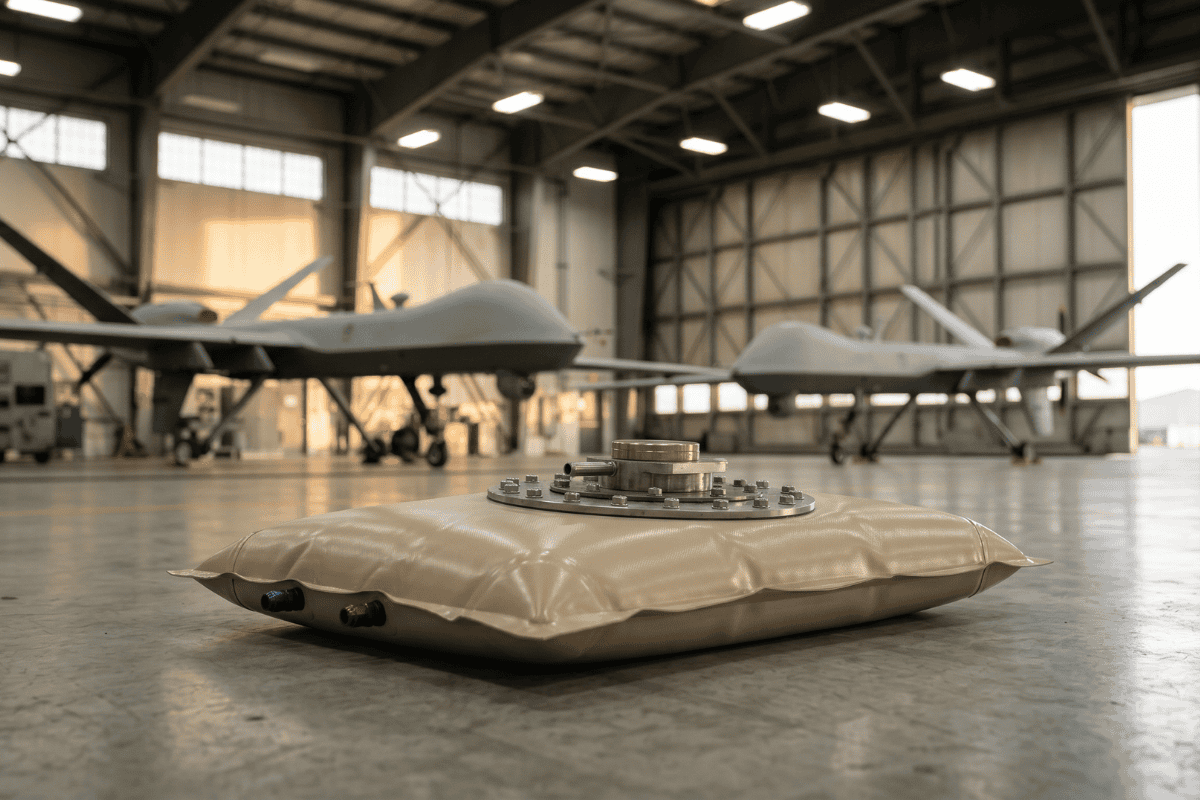
Diesen Beitrag teilen

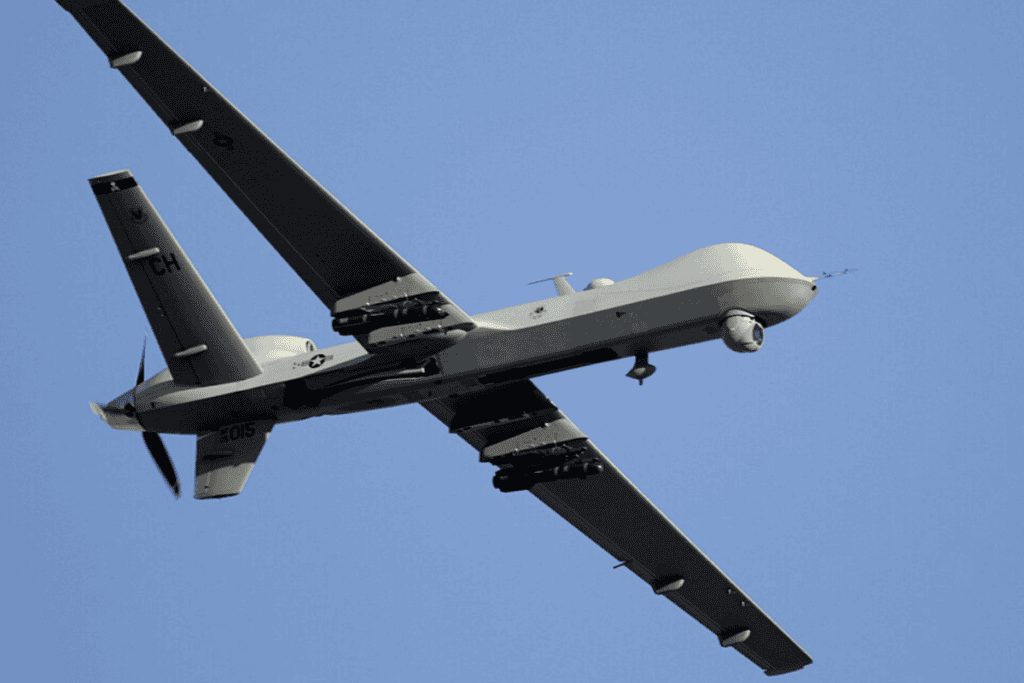
Designing a flexible fuel bladder for UAV platforms is one of the most demanding material challenges in modern unmanned systems engineering. In high-stakes applications where performance is measured in endurance, speed, and mission success, the fuel system is no longer just a container. For systems architects and lead engineers, it is a complex structural component that must survive extreme G-forces, high-frequency vibrations, and significant pressure differentials while adding as little weight as possible. Erez addresses these demands with specialized TPU-coated textiles engineered for custom UAV fuel tank applications across advanced unmanned aerial vehicles, Unmanned Surface Vehicles (USVs), and high-performance racing platforms.

Why Flexible UAV Fuel Tank Design Demands a Different Material Approach
Unlike standard industrial tanks, a high-performance fuel bladder exists within a dynamic environment. Whether integrated into a thin-walled airframe, a high-speed racing chassis, or an autonomous USV hull, the system must handle constant thermal expansion and hydraulic stress without failure.
Rigid tanks cannot conform to the complex internal geometries of modern UAV airframes. They add unnecessary structural weight, restrict design freedom, and cannot withstand the cyclic mechanical loads that flexible systems naturally absorb. A properly engineered flexible fuel bladder, by contrast, becomes part of the vehicle’s structure rather than a constraint on it.
This is the foundation of good UAV fuel tank design: matching the material system to the mechanical reality of the platform, not the other way around.
How Custom UAV Fuel Bladders Are Built: Conformal Design, CNC Patterning, and RF Welding
The transition from raw technical textile to a certified fuel bladder for a UAV or USV involves several high-precision engineering steps.
Conformal 3D Geometry
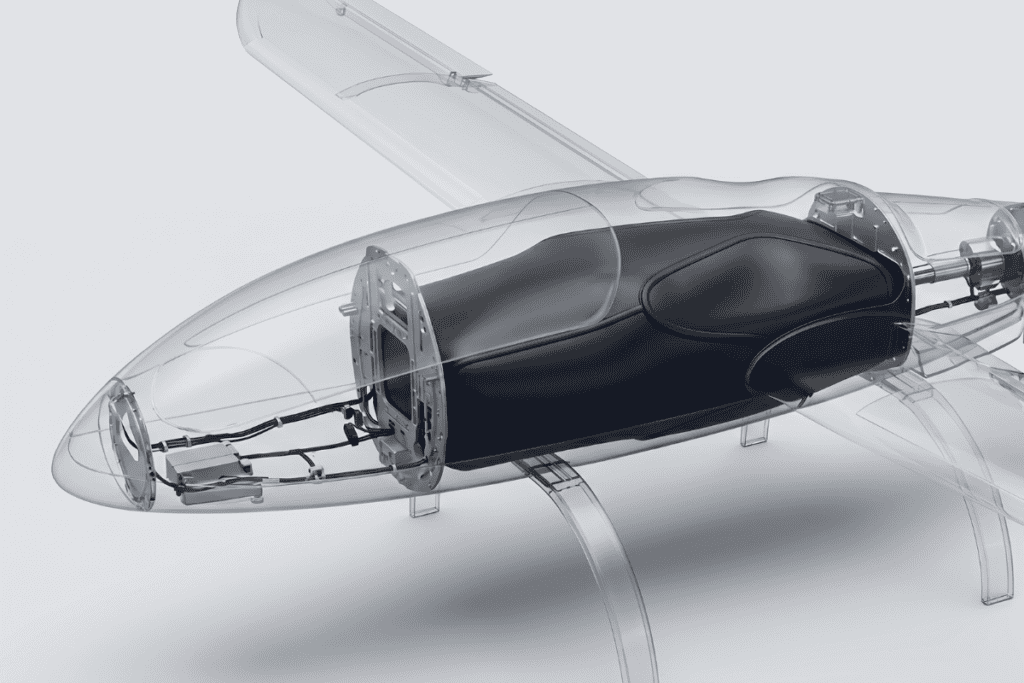
To optimize the center of gravity and maximize internal volume, engineers design bladders to fit into non-linear, often compact voids within the airframe. This conformal approach allows for maximum fuel capacity in spaces where a rigid tank simply cannot fit, and it is central to competitive UAV fuel tank design for both military and commercial platforms.
Precision CNC Patterning
Using CNC laser or knife cutting, Erez TPU-coated fabric is cut into precise patterns with micron-level accuracy. High-quality edge sealing is essential at this stage: any fraying of the textile substrate can lead to capillary action, where fuel travels along the fibers and eventually causes a leak.
Radio Frequency (RF) Welding
For mission-critical fuel bladders, mechanical fasteners or adhesives are insufficient. RF welding uses electromagnetic energy to fuse TPU molecules into a monolithic bond. The result is seams that are structurally stronger than the base fabric itself, capable of withstanding the internal hydraulic hammering of fuel during rapid maneuvers. This is the fabrication method that separates professional-grade fuel bladders from commodity alternatives.
Slosh and Baffle Management
To prevent fuel slosh, which can destabilize a lightweight vehicle during high-G turns or rapid deceleration, internal baffles made of TPU are welded inside the bladder. These baffles manage fluid inertia, ensure consistent fuel pickup, and maintain structural balance throughout the flight or mission envelope.
TPU Fuel Bladder Material Properties: What UAV and USV Manufacturers Look For
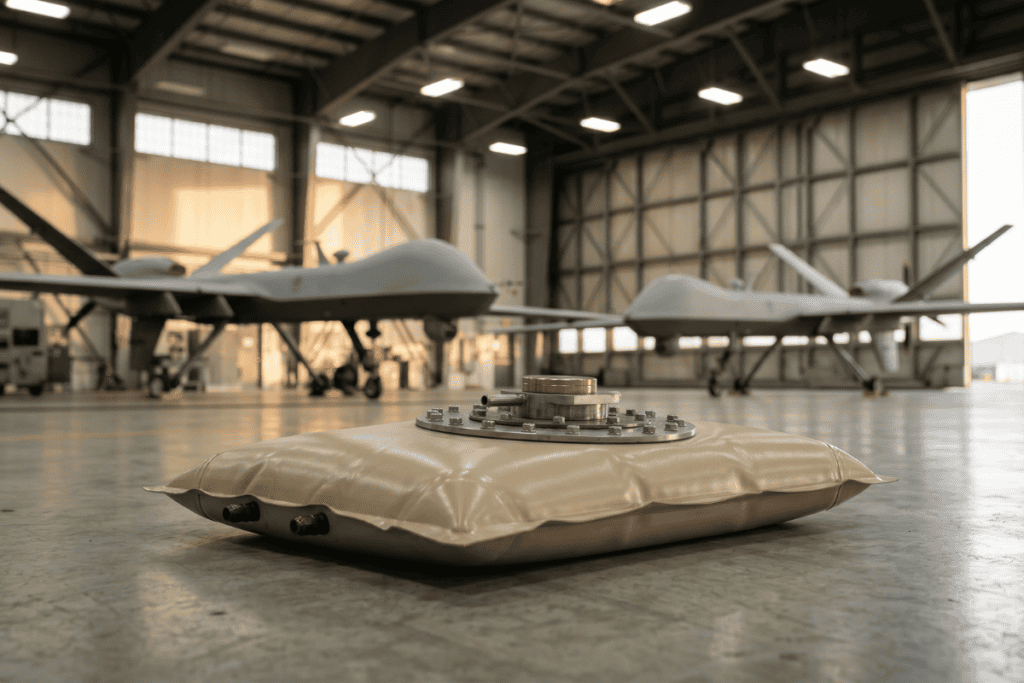
In a highly technical evaluation of fuel bladder performance, the properties that matter go well beyond simple containment.
Vapor Transmission Rate (VTR)
High-octane fuels, Jet A-1, methanol blends, and emerging hydrogen fuel systems for UAVs are highly demanding on the barrier properties of any containment material. Erez specialized polymer coatings provide a superior molecular barrier, delivering near-zero vapor permeability. This prevents the buildup of hazardous gases within enclosed compartments and maintains the safety and stealth profile of the vehicle, which is critical for autonomous USV and long-range UAV operations.
Interfacial Adhesion and Fatigue Resistance
The bond between the TPU coating and the high-tenacity textile substrate, whether Nylon or Polyester, must be absolute. Under cyclic loading, the constant expansion and contraction of the bladder during fill and drain cycles, any delamination leads directly to structural failure. Erez materials are formulated for long-term adhesion stability under exactly this kind of fatigue.
Crash and Puncture Resistance
The material must meet rigorous safety standards, often aligned with MIL-spec or international safety regulations. Erez TPU 2180 is specifically formulated for high-impact energy absorption, preventing ruptures during extreme stress events, including hard landings, combat conditions, and high-speed racing incidents.
Lightweight Fuel Bladder Design: Cutting System Weight Without Compromising the Safety Cell
The primary goal for any lead materials engineer is to reduce every possible gram from the fuel system without sacrificing containment integrity.
By switching from a rigid tank to a flexible TPU fuel bladder, manufacturers can typically reduce fuel system weight by up to 40 percent. The engineering concern that follows is ensuring the polymer retains its properties when exposed to aggressive fuel additives, wide operating temperature ranges, and thousands of hours of cyclic stress.
Engineers evaluating TPU fuel bladder materials should look specifically for documented fatigue resistance data, fuel compatibility testing across the relevant fuel types (JP-8, Jet A-1, Avgas, methanol, and, increasingly, hydrogen for next-generation UAV platforms), and demonstrated performance at low temperatures, where some polymers become brittle and fail.
The weight saving is real. The material science behind sustaining it over a service life is what Erez focuses on.
Erez TPU Series for Custom UAV Fuel Bladders and USV Applications
Erez offers a tiered selection of materials based on the specific endurance, weight, and certification requirements of the application.
Each grade is available for custom fabrication into conformal bladder geometries, with full RF welding support and material documentation for regulatory and certification submissions.
| Product | Specification | Primary Advantage | Ideal Application |
| TPU 2180 | MIL-DTL-27422 | Heavy-duty, high-strength, and crash-resistant. | Large-scale UAVs, combat USVs, and military storage. |
| TPU 2105 | Lightweight Series | Excellent balance of thinness and puncture resistance. | Tactical UAVs, Professional Racing Vehicles, and Powerboats. |
| TPU 2013 | Ultra-Lightweight | Optimized for maximum weight reduction. | High-endurance surveillance UAVs and light autonomous vessels. |
Engineering the Future of High-Performance Energy Storage with High-Performance TPU
Whether you are designing a high-altitude long-endurance (HALE) drone, a professional racing car, or a stealth Unmanned Surface Vehicle (USV), the integrity of your fuel cells is paramount. Erez does not just provide a catalog of fabrics. We provide the polymer expertise required to customize a solution for your specific fuel type and environmental conditions.
Maximize your system’s endurance and speed without compromising on safety. Contact the Erez technical team today to discuss specifying our specialized TPU series for your next project.
Mit Kollegen teilen
Diesen Beitrag teilen
Mehr lesen



Einen Kommentar hinterlassen
Wie stellen Sie sicher, dass Ihr Produkt das beste technische Textil erhält?